What Estrogen Affects
Estrogen is best known for being the primary female sex hormone. Throughout the many phases of women’s lives, estrogen regulates processes like menstruation and fertility, and it supports their bodies through ovulation and pregnancy.
Besides its role in reproduction, estrogen also helps skeletal, cardiovascular, and nervous systems by regulating the following processes.
Cholesterol Levels
Estrogen affects the liver, which then lowers cholesterol. It raises levels of the “good” cholesterol that protects your arteries and makes vitamin D. It also lowers levels of the “bad” cholesterol that forms plaque in your blood vessels and raises your risk of heart disease.
Blood Sugar Levels
Let’s not give blood sugar (glucose) too bad of a reputation; your body needs some of it to carry to your cells and provide energy. However, overly high blood sugar can cause obesity and increase your risk of prediabetes and type 2 diabetes. Estrogen stimulates insulin production to lower glucose and keep your levels balanced, improving your energy levels and cellular function.
Blood Circulation
Your blood carries nutrients and oxygen to all cells, organs, and tissues throughout the body while also removing waste products like carbon dioxide. Not only does estrogen improve blood circulation by regulating cholesterol levels, but it also keeps your blood vessels relaxed and allows them to expand for proper blood flow throughout the body.
Your entire body needs adequate blood flow—Your brain to your muscles, tissues, organs and cells. Estrogen from hormone therapy in North Liberty can support cognitive function while also protecting against stroke, heart disease, or heart attack.
Skin Health
Estrogen prevents decreases in collagen, elastin, and hyaluronic acid production. Collagen and elastin are 2 proteins that give your skin firmness, structure, and flexibility. Hyaluronic acid retains moisture, and it can hold 1,000 times its weight in water, giving your skin a hydrated and plump appearance and keeping it healthy.
As you age, your body produces less of these skin-saving components, making you susceptible to fine lines, wrinkles, and skin laxity. Estrogen works to slow down decline, which keeps your skin healthy and youthful.
Why Women Need Hormone Replacement Therapy
Now that you see the benefits that estrogen has on our bodies, you can understand how important it is to preserve this hormone.
Unfortunately, beginning as early as their 30s or 40s, women’s estrogen production begins to decline. This life stage, known as perimenopause, comes with a range of symptoms, like hot flashes, irregular periods, and mood swings.
Once a woman in her 40s or 50s has not had a period for 12 consecutive months, that marks the start of menopause. During this stage, estrogen production rapidly ceases, causing additional symptoms like brain fog, urinary incontinence, and sleep disturbances.
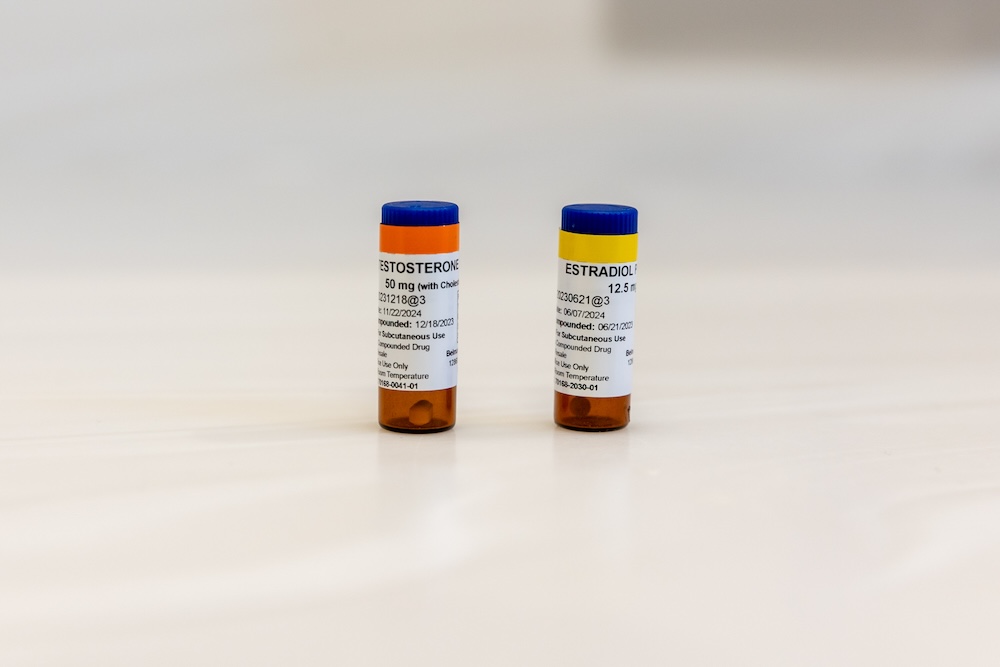
Hormone therapy in North Liberty replenishes your levels of estrogen, bringing them back to a state of equilibrium. This supports your overall health, improving your sleep quality, energy levels, skin health, and cardiovascular health. With this treatment, we teach you that while menopause is inevitable, the symptoms don’t have to be.
What Testosterone Affects
Testosterone is the primary male sex hormone. Not only does it support sperm production and libido, but it also gives men characteristics like a deeper voice and facial hair. In addition to those roles in the body, it also aids the following processes.
Muscle Size and Strength
Testosterone helps build muscle—in conjunction with regular exercise, of course. That’s because muscle cells have androgen receptors, which testosterone binds to in order to maintain muscle fibers.
As you age, you lose 3 to 5% of muscle mass each year beginning after the age of 30, with that rate increasing again after the age of 60. Your body needs testosterone in order to help maintain muscle mass and preserve your strength.
Bone Mass Maintenance
Testosterone also supports the building and maintenance of bone mass and bone mineral density. With lower levels of testosterone, patients have an increased risk of developing osteoporosis (a disease that causes weak and brittle bones).
Red Blood Cell Formation
Testosterone stimulates the production of red blood cells, which carry oxygen to your tissues to be converted into energy. This means that testosterone has a positive effect on both your heart health and your motivation and energy levels.
Why Men Need Hormone Replacement Therapy
It’s not often discussed, but men’s natural production of testosterone declines starting around the age of 30 to 40. Hormone therapy in North Liberty replenishes and rebalances testosterone levels for men, giving them back more youthful energy and vitality, while also supporting their musculoskeletal system and cardiovascular health.
While this transition isn’t as dramatic as menopause because the decline is more gradual, it still takes a toll on your quality of life. That’s why we offer testosterone replacement therapy to bring your hormones back to a state of equilibrium and support your overall health.
Why Men and Women Can Benefit From Hormone Replacement Therapy
Some symptoms of hormone decline are specific to men and others to women. However, both genders can experience a host of unwelcome physical and emotional changes from the gradual loss of estrogen and testosterone.
Hormone therapy in North Liberty rebalances your estrogen and testosterone levels for the following improvements:
- Better libido
- Improved cognitive function
- Enhanced sleep
- More energy
- Less anxiety or fewer mood changes
- Improved bone and muscle mass
To put it simply, hormone replacement therapy helps you regain control of your health and rediscover your zest for life.