Spinal decompression in North Liberty gently stretches the spine to reduce pressure on discs and nerves, helping patients move more comfortably through daily life.
I always feel better after the care I receive from the staff at family and sport…
Robert
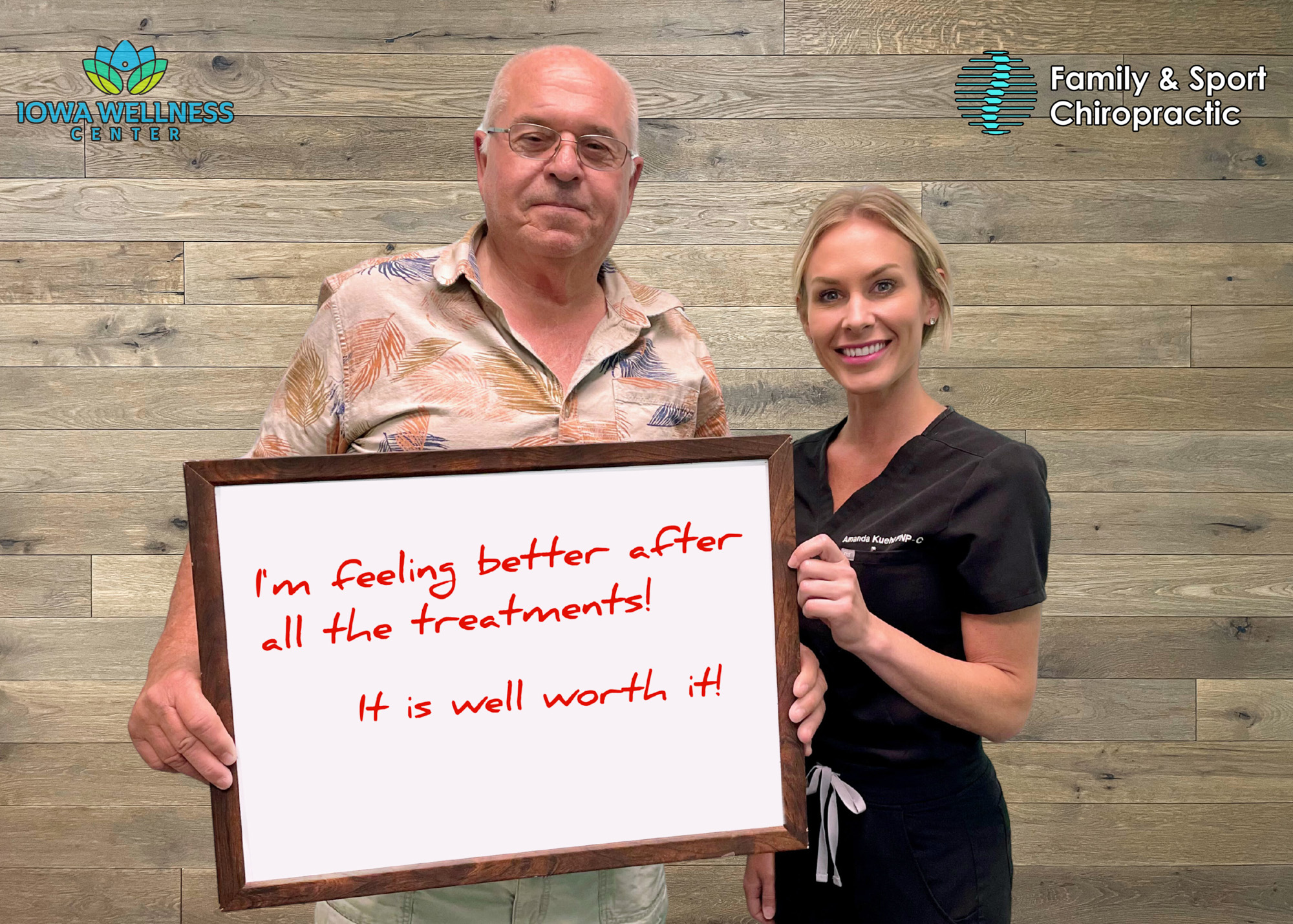
I always feel better after the care I receive from the staff at family and sport chiropractic.
Robert
My joints and body feel better using the Hormone Therapy :)
Jessica
Everyone is so helpful - My feet feel great, and my sore back likes the "electric…
Bonnie
Everyone is so helpful - My feet feel great, and my sore back likes the "electric chair." Thanks for a great experience!
Bonnie
Guidance Built Around You
Our chiropractors and rehab team look at how your spine moves, where you feel discomfort, and what daily activities have become harder before recommending decompression.
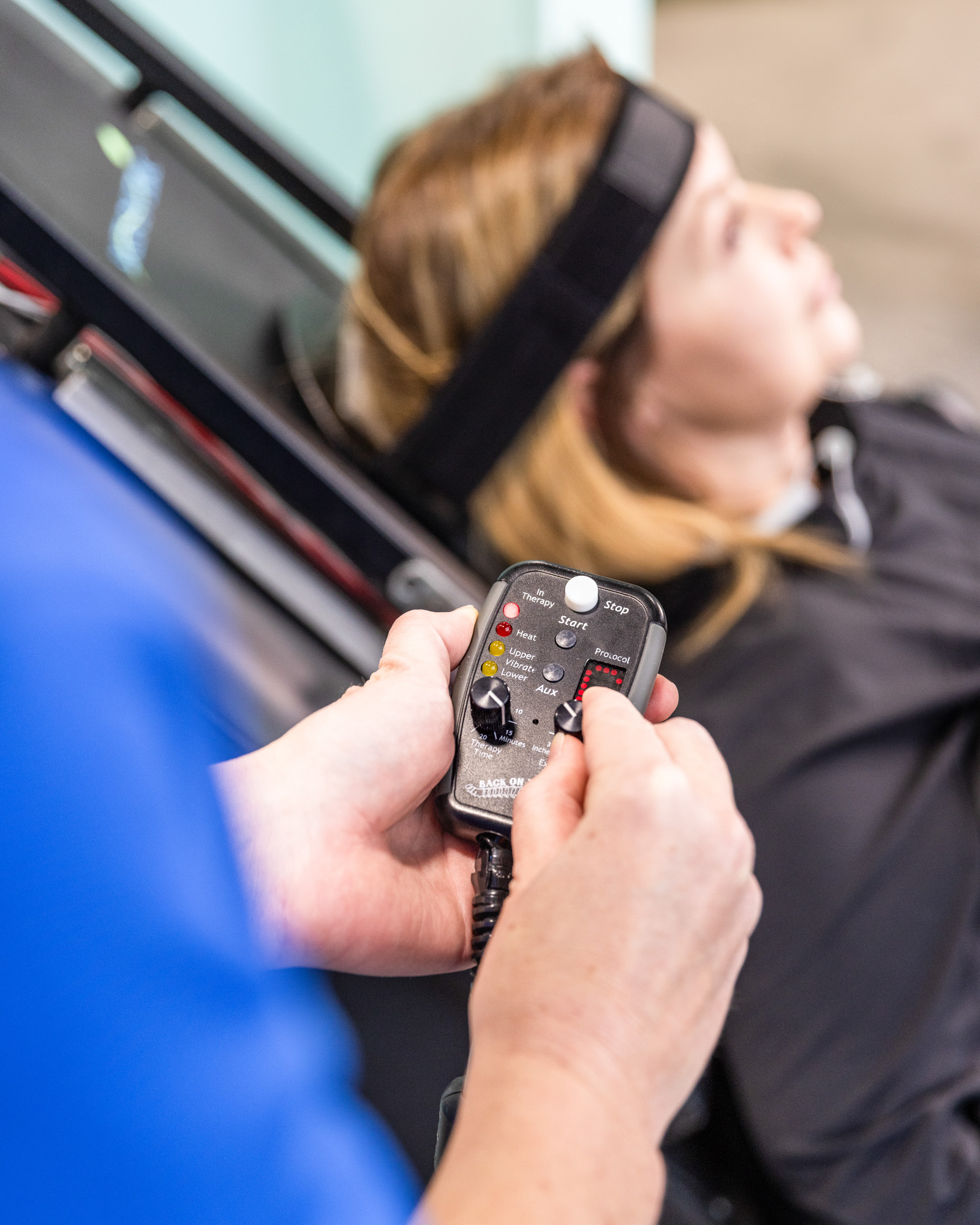
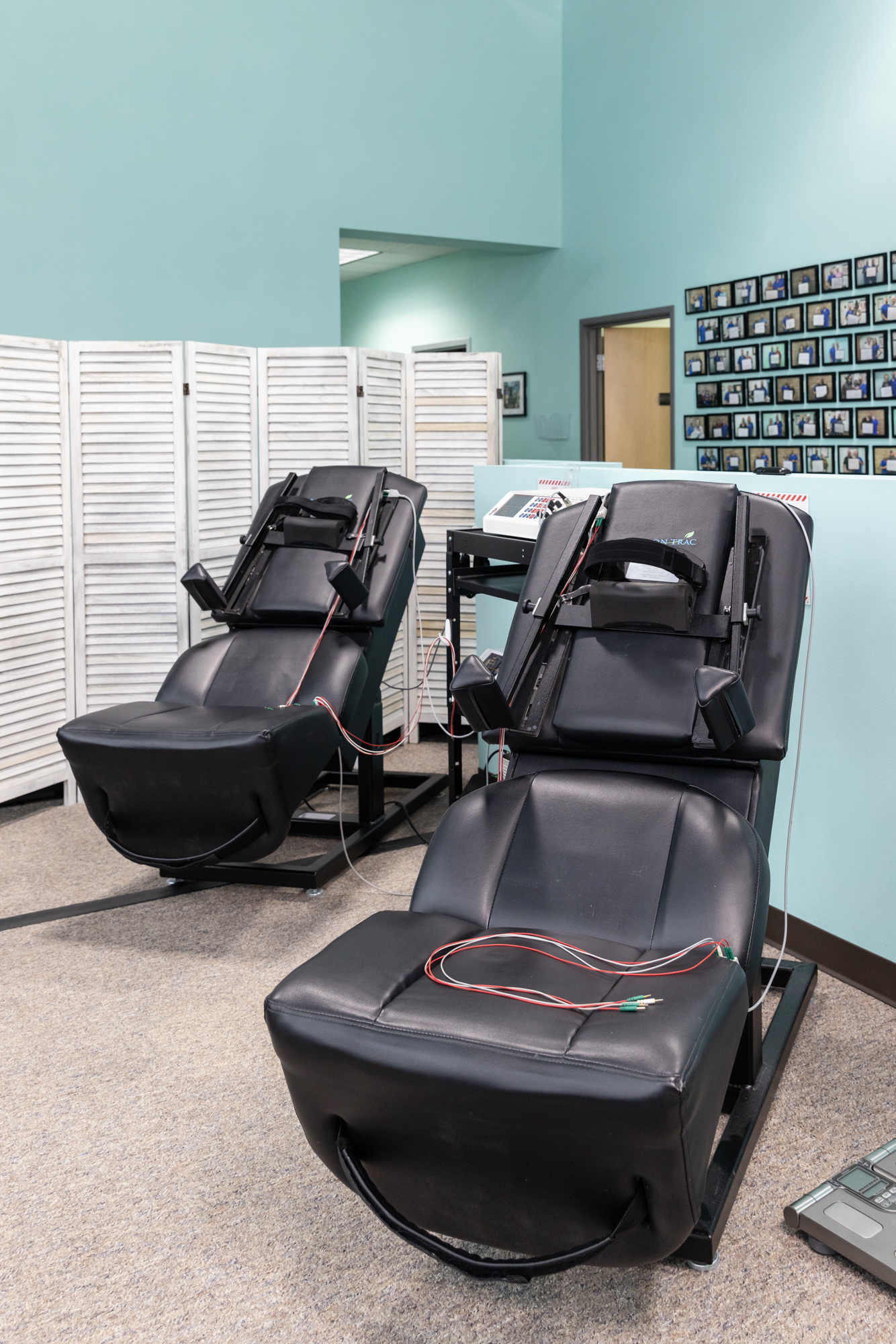
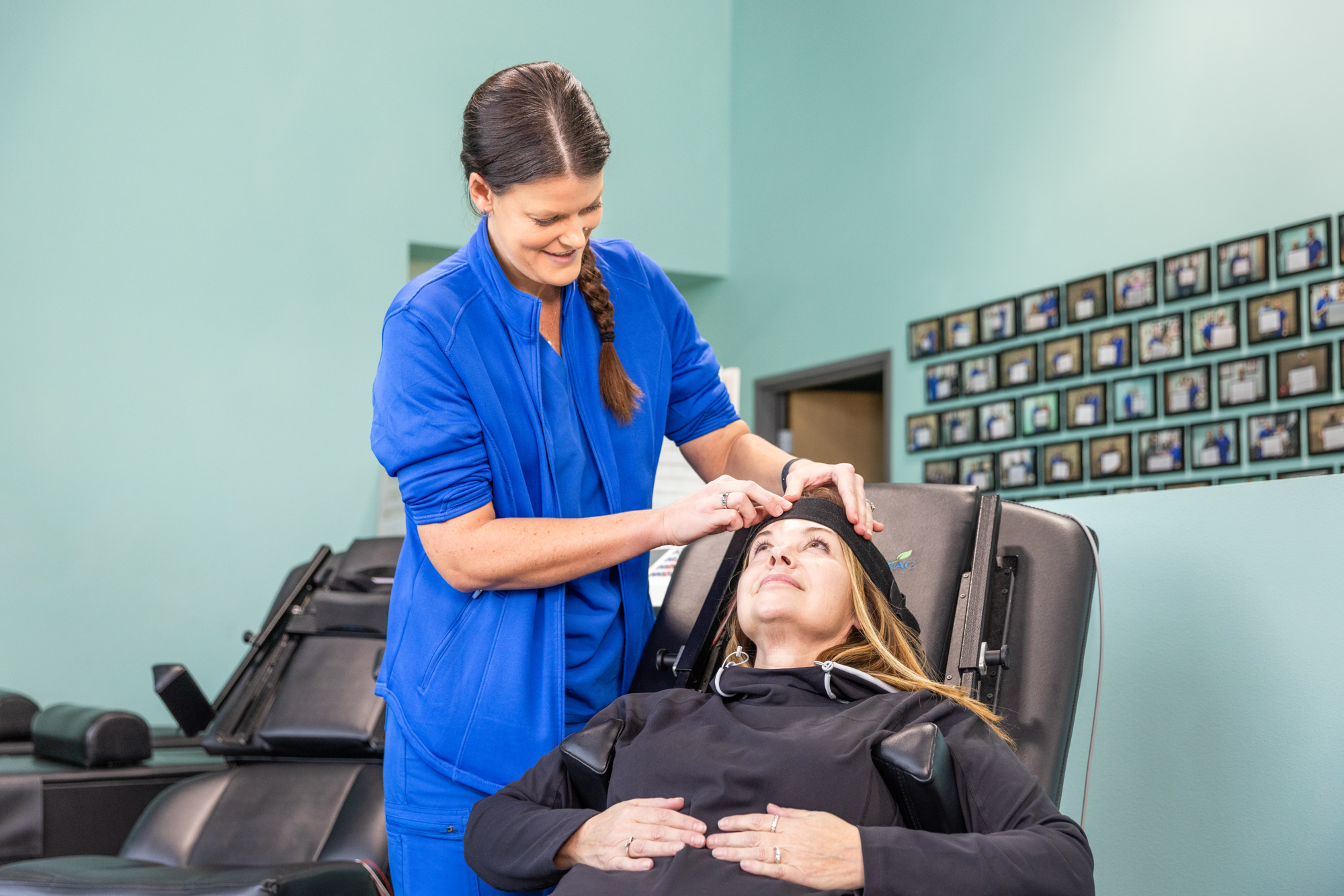
Spinal decompression is a noninvasive treatment that gently stretches the spine to reduce pressure around spinal discs and nerves. Family & Sport Chiropractic uses the Back on Trac system, a hands-free and restraint-free form of spinal traction.
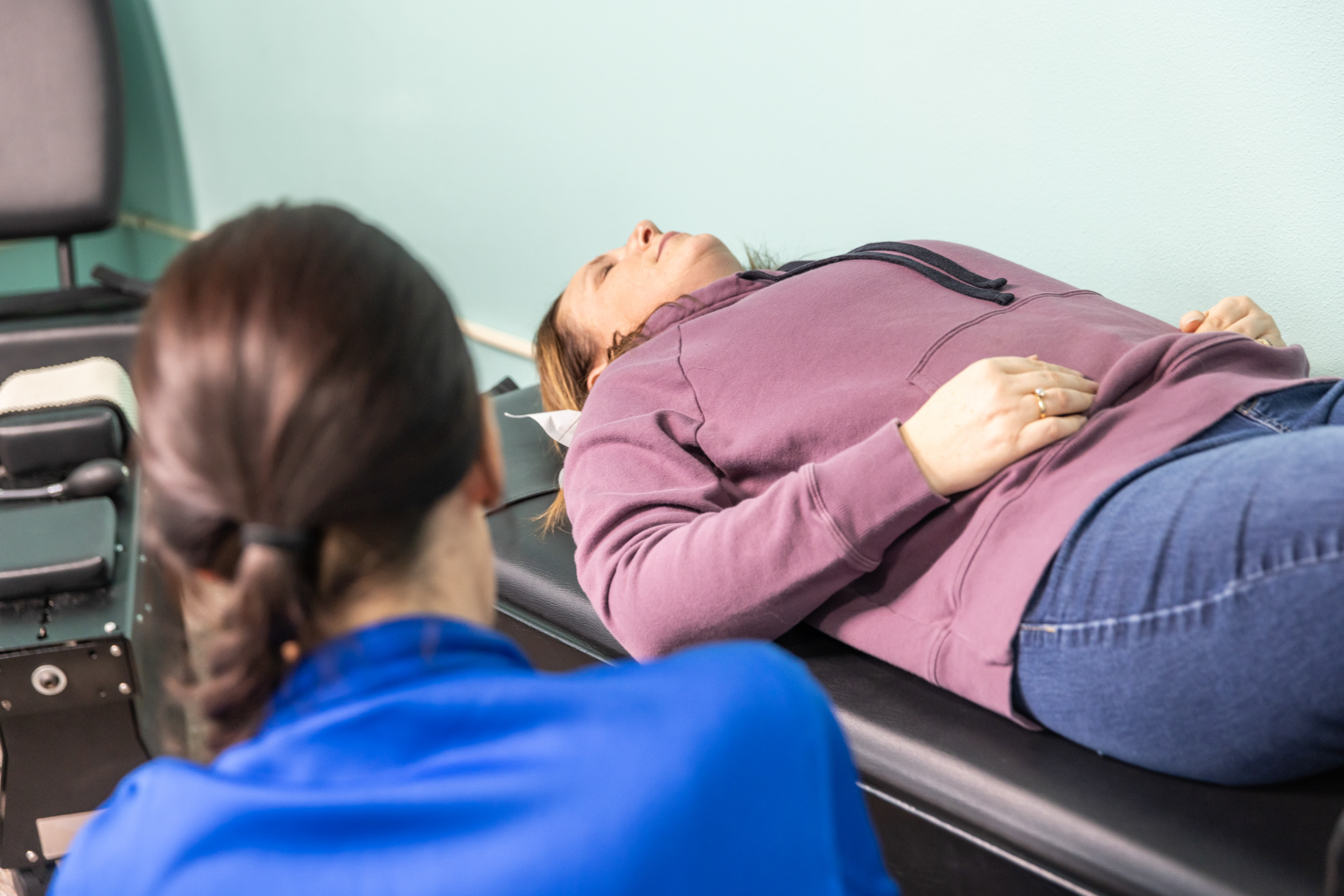
During treatment, the device creates a controlled stretching motion rather than a forceful adjustment. This can give compressed areas of the spine more space and may make movement feel more comfortable.
Your providers may include spinal decompression in North Liberty in a broader care plan if your back pain or nerve irritation affects daily activity.
Patients can expect a controlled stretching sensation through the back rather than a sudden movement. Back on Trac provides spinal traction without requiring the provider to manually pull or stretch the spine.
The goal is to reduce pressure while keeping the experience comfortable. Our team considers your symptoms and how your body responds during care.
If a position or level of traction doesn’t feel right, speak up. Treatment should reflect your needs, rather than follow the same settings for every patient.
Spinal decompression may be part of a care plan for some patients with herniated discs. A herniated disc can irritate nearby nerves, which can cause back pain or symptoms that travel into an arm or leg.
Back on Trac gently stretches the spine to ease pressure on spinal discs and surrounding nerves.
Whether decompression fits your situation depends on the location of the disc problem and your symptoms. Family & Sport Chiropractic evaluates each patient before building a treatment plan.
Spinal decompression can help some patients when their sciatica connects to pressure around a spinal disc or nerve. Family & Sport Chiropractic specifically lists sciatica among the concerns Back on Trac addresses.
Sciatica can make sitting or walking uncomfortable. It can also make finding a comfortable sleeping position difficult.
Your provider might recommend chiropractic care or physical therapy, depending on what contributes to your symptoms. Because sciatica can have different causes, an evaluation helps determine which approach will make the most sense for you.
Spinal decompression is noninvasive, so it doesn’t require the recovery period associated with surgery. FSC’s current back-pain guidance says patients can generally return to normal activities after chiropractic services, although mild soreness may occur.
Your provider may recommend avoiding overexertion if your back feels irritated after treatment.
Follow the instructions your provider gives you, and tell the team if your symptoms change. Those updates help them adjust future care around how your body responds.
Yes, we often include spinal decompression as one part of a broader care plan, rather than using it by itself. Depending on your symptoms, we may combine decompression with chiropractic care or physical therapy to address movement, strength, and spinal function from different angles.
For example, decompression may reduce pressure around irritated discs and nerves, while chiropractic care focuses on spinal motion. Physical therapy helps strengthen the muscles that support your back and improve how you move. We build each treatment plan around your symptoms, daily activities, and progress instead of following the same routine for every patient.
Make Room for Better Movement
Back pain has a way of changing how you move before you even notice it. You may brace yourself before standing or avoid lifting something from the floor. Maybe you keep shifting in your chair because one position is uncomfortable.
Sometimes, that discomfort relates to pressure around spinal discs or nerves. We offer spinal decompression in North Liberty as a noninvasive way to gently stretch the spine and reduce that pressure.
The team uses Back on Trac, a hands-free and restraint-free spinal traction system. Instead of manually stretching the spine, the device creates controlled traction while you remain supported. FSC currently uses it for concerns such as herniated discs, chronic stiffness, and sciatica.
Decompression doesn’t replace every other form of chiropractic care. The team considers how you move and what’s contributing to your discomfort before deciding whether it belongs in your plan.
Make Room for Better Movement
Back pain has a way of changing how you move before you even notice it. You may brace yourself before standing or avoid lifting something from the floor. Maybe you keep shifting in your chair because one position is uncomfortable.
Sometimes, that discomfort relates to pressure around spinal discs or nerves. We offer spinal decompression in North Liberty as a noninvasive way to gently stretch the spine and reduce that pressure.
The team uses Back on Trac, a hands-free and restraint-free spinal traction system. Instead of manually stretching the spine, the device creates controlled traction while you remain supported. FSC currently uses it for concerns such as herniated discs, chronic stiffness, and sciatica.
Decompression doesn’t replace every other form of chiropractic care. The team considers how you move and what’s contributing to your discomfort before deciding whether it belongs in your plan.
Why Pressure Can Hurt
Your vertebrae stack together to form the spine, and discs sit between them to absorb shock and support movement. Nerves also travel away from the spinal cord to communicate with the rest of your body.
When a disc becomes irritated, nearby nerves often become irritated too. That can make ordinary movements harder.
You might feel comfortable while standing but ache after sitting through a commute. Another person may notice pain when bending over to tie a shoe.
This is why treating back discomfort isn’t always about where the pain feels strongest. The team first considers what structures are involved and which movements tend to aggravate your symptoms.
How Back on Trac Works
Back on Trac gives Family & Sport Chiropractic a hands-free option for spinal traction. The system gently stretches the spine to reduce pressure around your discs and nerves.
The experience also differs from a traditional chiropractic adjustment. Instead of a quick manual movement, traction applies a more gradual stretching force. That approach makes decompression useful for patients dealing with disc-related pain or chronic stiffness. FSC also uses it for some patients with sciatica.
Spinal decompression in North Liberty works alongside other services, rather than on its own. Chiropractic care can address spinal movement and alignment and physical therapy can help patients rebuild mobility and strength as they work toward everyday goals.
Care That Moves With You
The right treatment plan depends on more than a diagnosis. Family & Sport Chiropractic also wants to know what your back problems keep you from doing.
Maybe you want to finish a workday without constantly changing positions. Perhaps you want to lift your child without worrying about another flare-up. An active patient may simply want to return to exercise without feeling guarded every time they bend or twist.
Those goals give treatment a practical direction. The team can monitor how you respond to decompression and adjust your plan as your movements change.
Spinal decompression in North Liberty is one tool within a larger chiropractic and rehabilitation approach. When it fits your needs, it can help reduce pressure around spinal structures while the rest of your plan supports better movement.
Rather than asking you to organize your life around back discomfort, the team works with you to build a path toward the activities that matter.